Field Notes: The End of Local News’ Blanche DuBois Strategy
Chris Nolan on how funding the news has changed, and must continue to change


Finally! The Blanche DuBois Business Model for news sites has come to an end. Solely depending on the kindness of wealthy strangers to support newsrooms was never a sustainable business model.
Washington Post owner Jeff Bezos’ decision to claw back the financial support he promised the paper when he bought it in 2013 isn’t the last act in this drama. But it’s one that foreshadows some rough times ahead for news outlets that ignore the business side of the business.
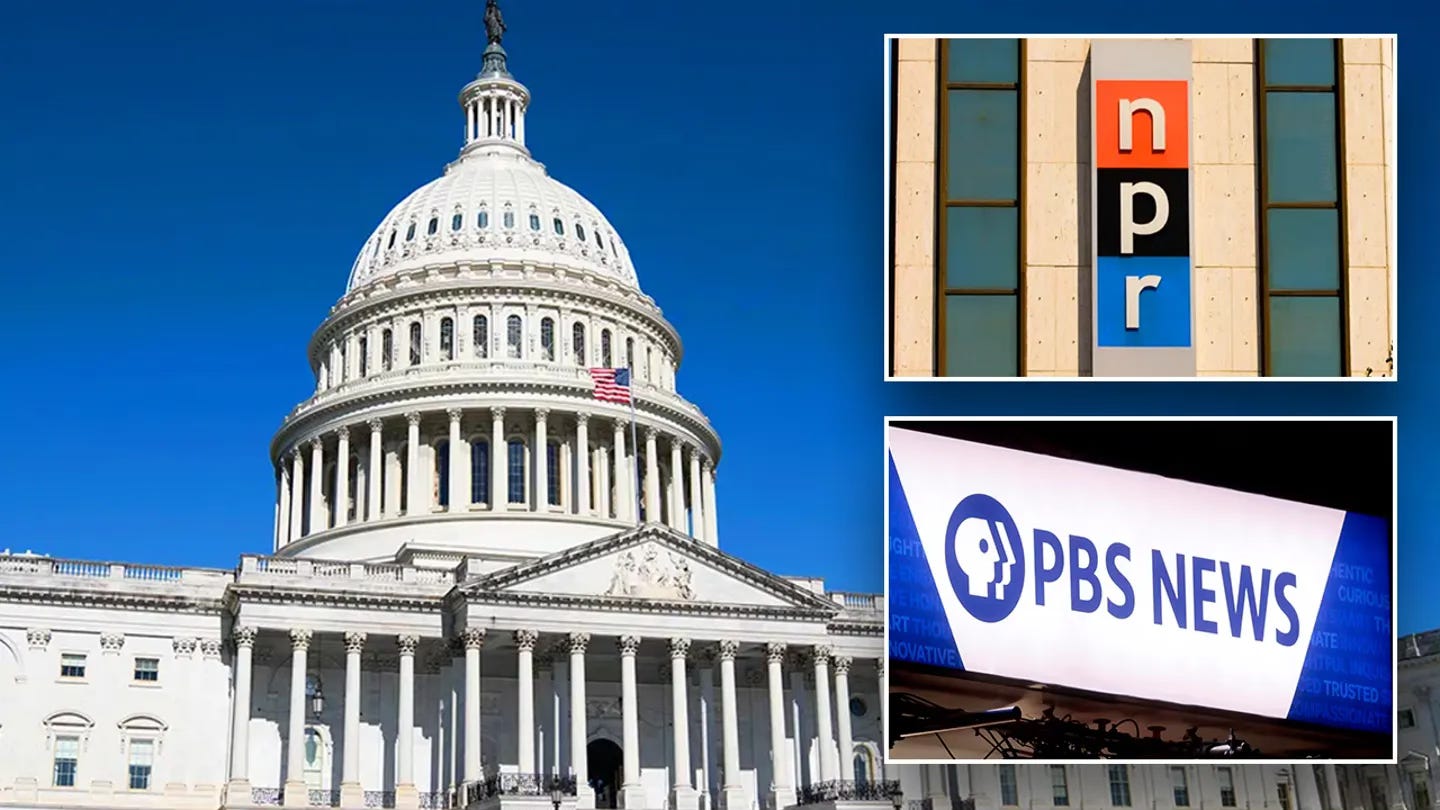
It’s not just billionaires who are unreliable. Grant money and government support, as anyone at PBS or NPR’s stations would unhappily tell you, can also be pulled. In conversations across the industry, I have heard more and more about divestments in local news. Funds that the MacArthur and Knight-funded Press Forward initiative supported are dwindling. And given its anti-trust trouble, it’s possible that the Google News Initiative’s support for local sites may not last much longer.
The Blanche DuBois model is tightly wound around a mindset that says reporters and editorial side employees shouldn’t care about money. That’s for the “dark side” – people selling ads and subscriptions. Editorial is for the “higher-minded.”
That dovetails with a bias many editorial folks have about the virtue of running a non-profit. Nonprofits are inherently good since they’re not in it for the money, right? That’s an affirmation for many editorial folks who carry their low salaries and long hours as badges of honor. As they should. Daily news reporting is hard work. Many new, stand-alone journalism sites are staffed by people who don’t mind long hours but don’t think as hard as they should about how to pay themselves – or their employees.
“It’s crazy how much time we have to spend talking people into taking money,” Chris Krewson told me over the phone last week. Krewson is CEO of LION Publishers, a nonprofit that supports independent news organizations to build more sustainable business models.
Krewson has long emphasized that non-profit status doesn’t excuse financial ignorance. “Not-for-profit doesn’t mean you don’t make money,” he said, adding that publishers should think of themselves as responsible for every part of their organizations – including sales and revenue.
One path forward is for news outlets to consider the three-part business model that many news and established local news sites are following: donations/subscriptions, advertising, and events.
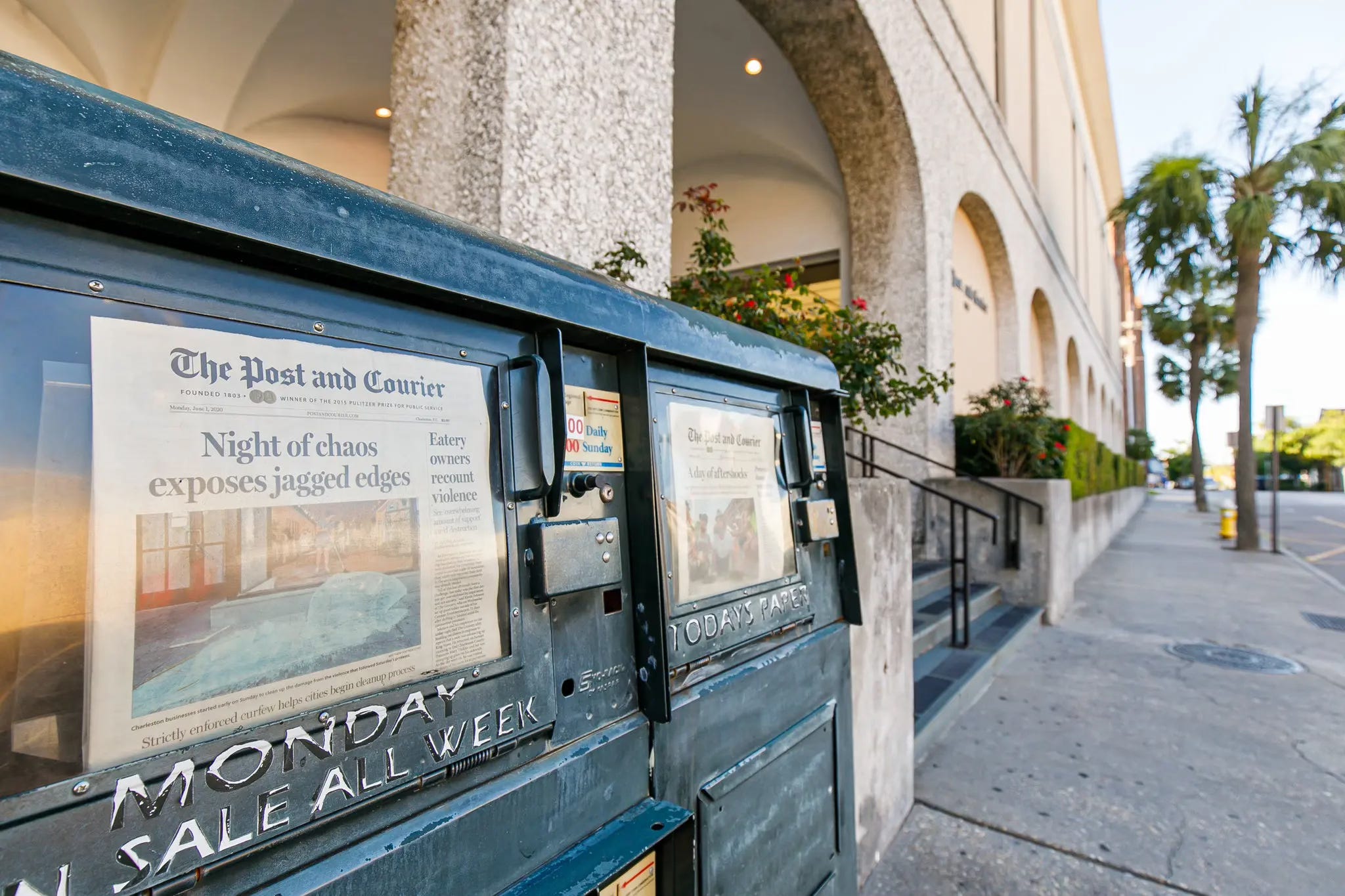
In South Carolina, Evening Post Publishing President P.J. Browning has built a remarkably unheralded – and thriving – news business. The Post and Courier, a 223-year-old Charleston newspaper, is now the crown jewel in a network of local news sites bearing the PandC name but working independently in eight communities across the state.
“We didn’t buy, we built,” Browning told me during a phone conversation last week, adding that each of the outlets has its own publisher, newsroom, and staff. To sustain itself, the PandC solicits reader support through donations and subscriptions, sells ads, and holds events in each community across the state.
This is a sustainable business model that plays to the strength that local news sites have: They know their readers. They are known TO their readers. Which is why they are trusted.
My firm, Spot-On, sells political ads, and we see tremendous opportunities for local news sites. Ads on these local trusted sites often do better than the big, established regional outlets in the same market.
One of our frustrations? Many sites don’t take ads. Some think politics is, by definition, upsetting to their readers. Others think – incorrectly – that their nonprofit status would be compromised by selling ad space to political efforts.
There are solutions here. LION and crafty publishers like Browning can provide some guidance on how outlets, especially newer stand-alone sites, might proceed. And while Spot-On can’t begin to solve all of the financial problems faced by local news, we – and other advertisers - can play a role in helping them sustain solid business models for their survival with revenue that’s independent and familiar.
About the Author:
Chris Nolan is the founder of Spot-On. Previously, Nolan was a columnist for outlets including the San Jose Mercury News and the New York Post. Her writing has also appeared in the Washington Post, the Washingtonian, Fortune, The New Republic, and Conde Nast Traveler.
About Field Notes:
Field Notes is a space for current and former reporters to share concerns about the industry, solutions to problems we share, or simply vent about the work we do every day. If you are interested in writing a Field Note, please reach out to Nick at nfultonwork@gmail.com.